Principal Investigators
Thomas S. Kraft
Assistant Professor, Department of Anthropology, University of Utah
PhD 2017 Dartmouth College
My research combines ethnographic fieldwork and statistical modeling to investigate variation in human social behavior, social networks, and health. I conduct my research on the ways in which social relationships and behavior interact with traditional risk factors (e.g. diet and physical activity) to shape health and aging, using small-scale subsistence societies as a model for identifying and studying under-appreciated sources of variation. I have worked with the Twa of Uganda, Tsimane of Bolivia, and Batek and Temiar of Malaysia.
Vivek V. Venkataraman
Assistant Professor, Department of Anthropology and Archaeology, University of Calgary
PhD 2016 Dartmouth College
I conduct research on human life history, energetics, and foraging behavior, grounding my research at the nexus of behavioral ecology and cultural evolution. I have performed comparative fieldwork with small-scale societies in Uganda (Twa), Bolivia (Tsimane), and Malaysia (Batek and Temiar).
Ian J. Wallace
Assistant Professor, Department of Anthropology, University of New Mexico
PhD 2013 Stony Brook University
My research tackles two big questions: How did humans evolve to use their bodies to move? And what are the costs and benefits of modern physical activity patterns for human health? To address these questions, I explore how the ways humans use their bodies have changed over time. I am especially interested in the transitions from non-industrial to industrial and then post-industrial societies. I study contemporary humans in both the field and lab, focusing on measures of locomotor biomechanics and their ties to the health and function of the musculoskeletal system. In addition to fieldwork among the Orang Asli, I work in Mexico among the Tarahumara, a Native American group living in the Sierra Madre Occidental.
Amanda J. Lea
Assistant Professor, Department of Biological Sciences, Vanderbilt University
PhD 2017 Duke University
I am a biologist interested in the evolution and mechanistic basis of plasticity, and what these processes can tell us about human health. My research uses evolutionary frameworks and genomic tools to address two major questions: (i) what are the molecular mechanisms that connect environmental challenges (e.g., social or nutritional stress) experienced across the life course with compromised health? and (ii) why do health outcomes vary among individuals exposed to the same environmental challenge? To do so, I collect individual-based environmental, genomic, and biomedical data in subsistence-level, small-scale human populations. In addition to the Orang Asli, I work with the Turkana people of northern Kenya.
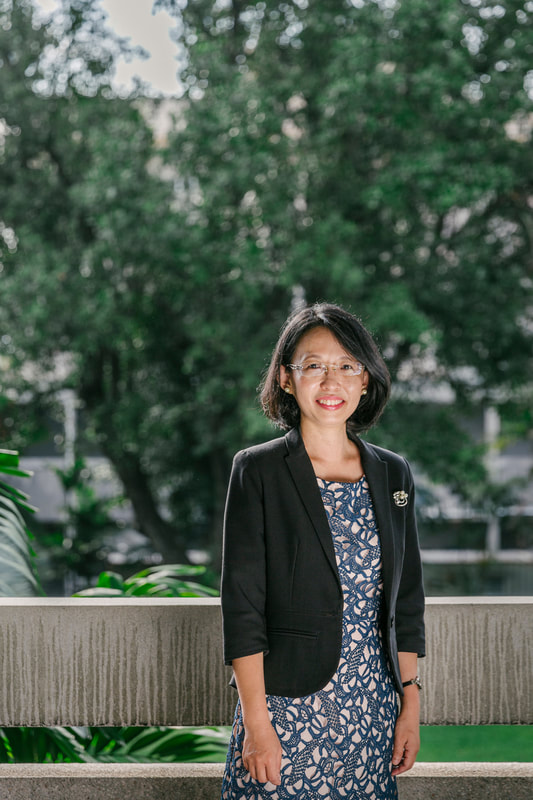
Yvonne Lim Ai Lian
Professor, Department of Parasitology and Faculty of Medicine
Universiti Malaya
I am interested in understanding the host-parasite-environment interactions of diseases among the indigenous (eg., various tribes of the Malaysian Orang Asal) and underserved communities in attempting to provide multi-targeted solutions. In addition, I am also involved in studying the diversity of gut microbiome of communities from a range of socioeconomic and ecological gradients, namely from traditional to industrialized societies.
Dr. Ng Kee Seong
BSc, MD (Universiti Putra Malaysia)
PhD, MSc (Queen Mary, University of London)
I am trained as a neurogastroenterologist and surgeon and have conducted a variety of studies on human physiology and health.
------------
Field Managers
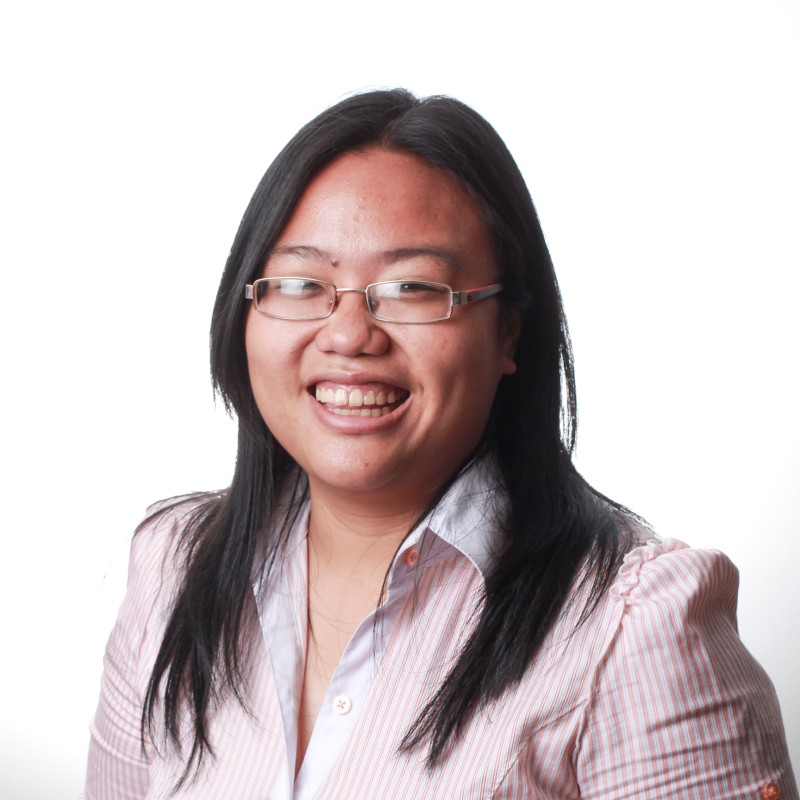
Kar Lye Tam
I have been working with the indigenous community in Malaysia since 2007, during which time I have successfully completed over 230 projects aimed at improving various aspects of their lives. These projects have focused on critical areas such as road and energy access, gravity-fed water systems, community infrastructure, education, and healthcare. An essential aspect of my work has been the involvement of volunteers, and I am proud to say that over 950 dedicated individuals have joined me in this endeavor. I firmly believe in the value of bringing volunteers to the rural areas, as it not only enhances their understanding of the challenges faced by these communities but also fosters a strong sense of solidarity between the rural and urban populations. My passion lies in empowering rural communities and advocating for the rights of indigenous peoples. Through collective efforts of volunteers and partnerships with local communities, we aim to foster self-dependency and self-determination within these communities. Empowering them with the skills and knowledge necessary to manage and sustain the projects themselves is a crucial step towards creating lasting positive change. I firmly believe that by working together with the communities and equipping them with the tools for self-sufficiency, we can contribute to a more inclusive and equitable society in Malaysia.
--
Laboratory Managers
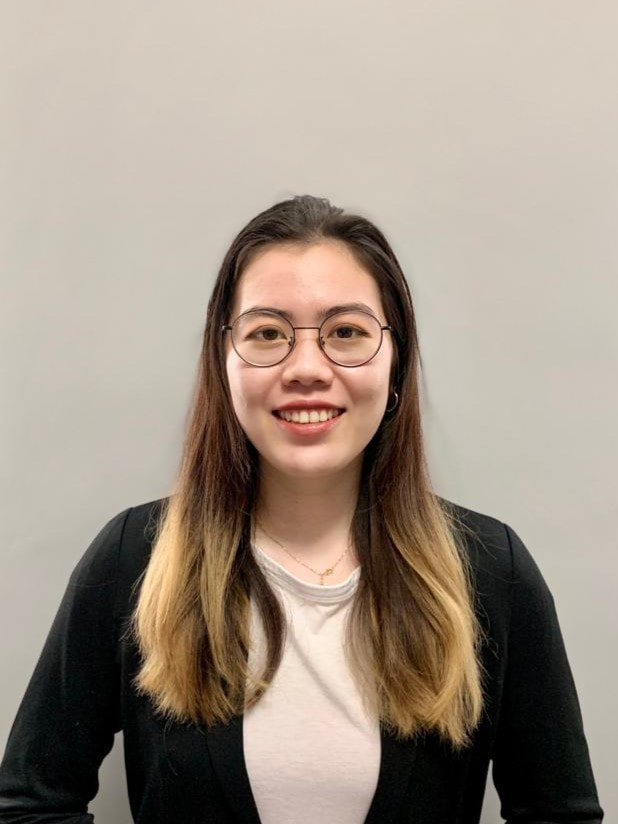
Tan Bee Ting A/P Tan Boon Huat
BSc, Biomedical Science (King's College London)
MSc, Immunology (Imperial College London)
I am interested in exploring virus-host relationships among the indigenous, particularly on the metabolic regulation of human T cell responses. Additionally, I am committed to serving the indigenous communities and improving their overall well-being, aiming to educate them about preventive measures and promote healthy living habits.
-------------------
PhD Students
Audrey Aurner
PhD Student, Vanderbilt University (Lea Lab)
I conduct research on how diverse and changing ecological and cultural environments impact human fitness and health using a within-population approach and combination of field, wet-lab, and computational techniques. I am also interested in understanding how illustrations can be used to effectively discuss genetics concepts with the folks I work with.
----
Postdoctoral Fellows
Kathleen D. Reinhardt
PhD, Oxford Brookes University
Postdoctoral Fellow in Transdisciplinary Research , University of Calgary (Venkataraman Lab)
Dr. Kathleen Reinhardt is an ecophysiologist who is largely interested in the biological rhythms and physiological adaptations of humans and other primates in response to environmental pressures. Her research themes around topics of sleep, circadian rhythms and thermoregulation from both an ecological and evolutionary context, spanning from slow lorises to humans. She is examining the interrelationship between environmental factors, physical activity levels and sleep patterns of humans living lifestyles ranging across different levels of industrialization to understand the evolutionary links between sleep and culture, as well as its role in modern human health.
Thomas S. Kraft
Assistant Professor, Department of Anthropology, University of Utah
PhD 2017 Dartmouth College
My research combines ethnographic fieldwork and statistical modeling to investigate variation in human social behavior, social networks, and health. I conduct my research on the ways in which social relationships and behavior interact with traditional risk factors (e.g. diet and physical activity) to shape health and aging, using small-scale subsistence societies as a model for identifying and studying under-appreciated sources of variation. I have worked with the Twa of Uganda, Tsimane of Bolivia, and Batek and Temiar of Malaysia.
Vivek V. Venkataraman
Assistant Professor, Department of Anthropology and Archaeology, University of Calgary
PhD 2016 Dartmouth College
I conduct research on human life history, energetics, and foraging behavior, grounding my research at the nexus of behavioral ecology and cultural evolution. I have performed comparative fieldwork with small-scale societies in Uganda (Twa), Bolivia (Tsimane), and Malaysia (Batek and Temiar).
Ian J. Wallace
Assistant Professor, Department of Anthropology, University of New Mexico
PhD 2013 Stony Brook University
My research tackles two big questions: How did humans evolve to use their bodies to move? And what are the costs and benefits of modern physical activity patterns for human health? To address these questions, I explore how the ways humans use their bodies have changed over time. I am especially interested in the transitions from non-industrial to industrial and then post-industrial societies. I study contemporary humans in both the field and lab, focusing on measures of locomotor biomechanics and their ties to the health and function of the musculoskeletal system. In addition to fieldwork among the Orang Asli, I work in Mexico among the Tarahumara, a Native American group living in the Sierra Madre Occidental.
Amanda J. Lea
Assistant Professor, Department of Biological Sciences, Vanderbilt University
PhD 2017 Duke University
I am a biologist interested in the evolution and mechanistic basis of plasticity, and what these processes can tell us about human health. My research uses evolutionary frameworks and genomic tools to address two major questions: (i) what are the molecular mechanisms that connect environmental challenges (e.g., social or nutritional stress) experienced across the life course with compromised health? and (ii) why do health outcomes vary among individuals exposed to the same environmental challenge? To do so, I collect individual-based environmental, genomic, and biomedical data in subsistence-level, small-scale human populations. In addition to the Orang Asli, I work with the Turkana people of northern Kenya.
Yvonne Lim Ai Lian
Professor, Department of Parasitology and Faculty of Medicine
Universiti Malaya
I am interested in understanding the host-parasite-environment interactions of diseases among the indigenous (eg., various tribes of the Malaysian Orang Asal) and underserved communities in attempting to provide multi-targeted solutions. In addition, I am also involved in studying the diversity of gut microbiome of communities from a range of socioeconomic and ecological gradients, namely from traditional to industrialized societies.
Dr. Ng Kee Seong
BSc, MD (Universiti Putra Malaysia)
PhD, MSc (Queen Mary, University of London)
I am trained as a neurogastroenterologist and surgeon and have conducted a variety of studies on human physiology and health.
------------
Field Managers
Kar Lye Tam
I have been working with the indigenous community in Malaysia since 2007, during which time I have successfully completed over 230 projects aimed at improving various aspects of their lives. These projects have focused on critical areas such as road and energy access, gravity-fed water systems, community infrastructure, education, and healthcare. An essential aspect of my work has been the involvement of volunteers, and I am proud to say that over 950 dedicated individuals have joined me in this endeavor. I firmly believe in the value of bringing volunteers to the rural areas, as it not only enhances their understanding of the challenges faced by these communities but also fosters a strong sense of solidarity between the rural and urban populations. My passion lies in empowering rural communities and advocating for the rights of indigenous peoples. Through collective efforts of volunteers and partnerships with local communities, we aim to foster self-dependency and self-determination within these communities. Empowering them with the skills and knowledge necessary to manage and sustain the projects themselves is a crucial step towards creating lasting positive change. I firmly believe that by working together with the communities and equipping them with the tools for self-sufficiency, we can contribute to a more inclusive and equitable society in Malaysia.
--
Laboratory Managers
Tan Bee Ting A/P Tan Boon Huat
BSc, Biomedical Science (King's College London)
MSc, Immunology (Imperial College London)
I am interested in exploring virus-host relationships among the indigenous, particularly on the metabolic regulation of human T cell responses. Additionally, I am committed to serving the indigenous communities and improving their overall well-being, aiming to educate them about preventive measures and promote healthy living habits.
-------------------
PhD Students
Audrey Aurner
PhD Student, Vanderbilt University (Lea Lab)
I conduct research on how diverse and changing ecological and cultural environments impact human fitness and health using a within-population approach and combination of field, wet-lab, and computational techniques. I am also interested in understanding how illustrations can be used to effectively discuss genetics concepts with the folks I work with.
----
Postdoctoral Fellows
Kathleen D. Reinhardt
PhD, Oxford Brookes University
Postdoctoral Fellow in Transdisciplinary Research , University of Calgary (Venkataraman Lab)
Dr. Kathleen Reinhardt is an ecophysiologist who is largely interested in the biological rhythms and physiological adaptations of humans and other primates in response to environmental pressures. Her research themes around topics of sleep, circadian rhythms and thermoregulation from both an ecological and evolutionary context, spanning from slow lorises to humans. She is examining the interrelationship between environmental factors, physical activity levels and sleep patterns of humans living lifestyles ranging across different levels of industrialization to understand the evolutionary links between sleep and culture, as well as its role in modern human health.